Anna Werner · 10 October 2026
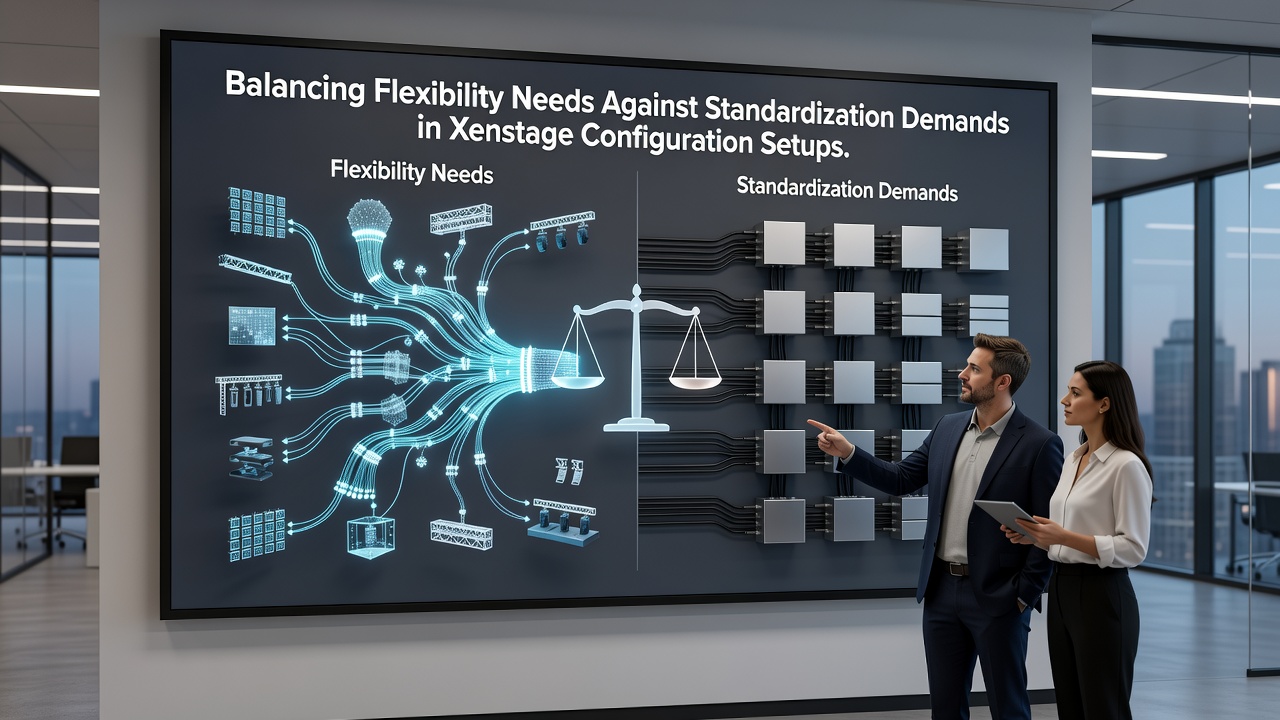
Balancing Flexibility Needs Against Standardization Demands in Xenstage Configuration Setups
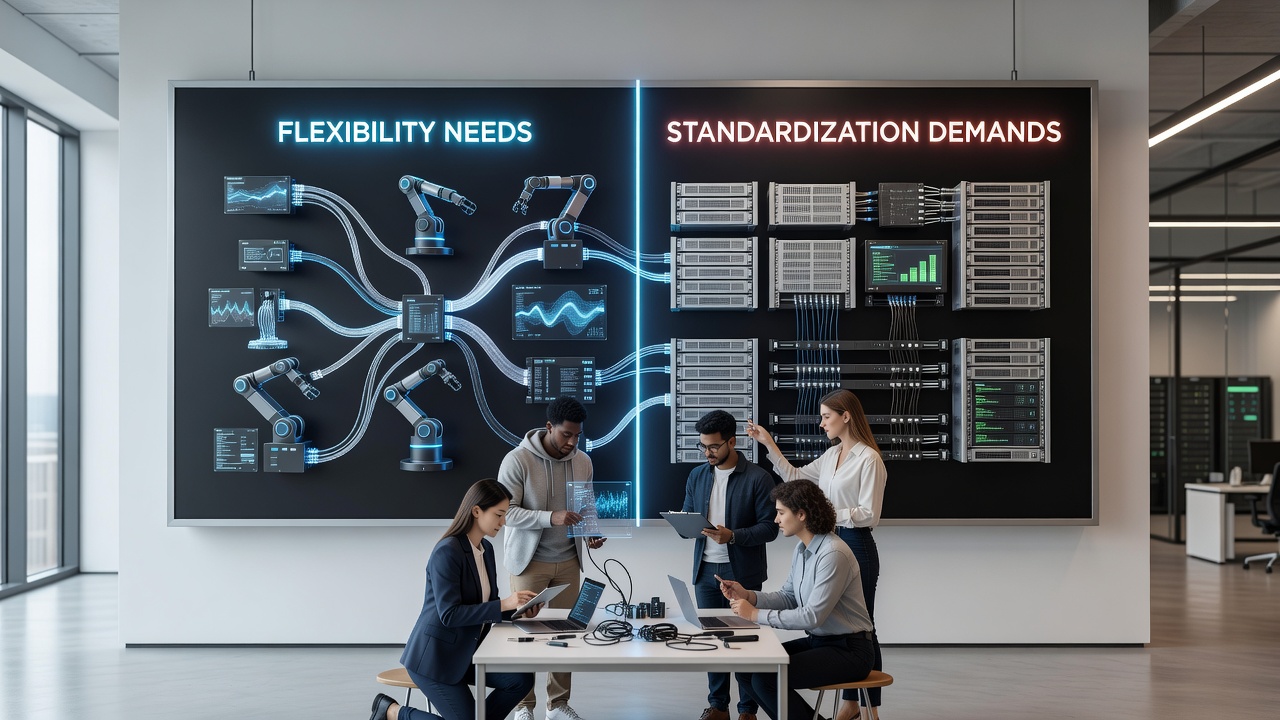
Organizations managing Xenstage configuration setups encounter ongoing requirements to reconcile user-driven flexibility with enterprise-level standardization, and this dynamic shapes how systems deploy across varied operational environments, while data from industry reports shows that configuration choices directly influence deployment speed and maintenance overhead.
Core Elements of Xenstage Configurations
Xenstage platforms support modular configuration layers that allow administrators to adjust parameters for specific workloads, yet these layers must align with predefined templates that enforce consistency across multiple instances, and researchers at technical institutions note that such alignment reduces error rates in large-scale rollouts when teams apply uniform validation rules.
Configuration files in Xenstage typically include sections for resource allocation, network policies, and integration points, while flexibility appears in the ability to override default values for individual nodes, but standardization enters through enforced schema checks that prevent deviations beyond approved ranges, and figures from system audits reveal that teams using these checks encounter fewer compatibility issues during updates.
Flexibility Requirements in Practice
Teams working with Xenstage often require adjustments for unique hardware profiles or regional compliance rules, and this need drives the creation of custom extension points that sit alongside core settings, whereas standardization demands come from central IT groups seeking to limit variation that could complicate troubleshooting across distributed sites.
One documented approach involves defining base profiles that cover 80 percent of common use cases, after which specific overrides handle the remaining variations, and studies from academic sources indicate that this hybrid method maintains operational efficiency while accommodating localized demands without fragmenting the overall architecture.
Standardization Mechanisms and Their Impact
Standardization in Xenstage setups relies on centralized policy engines that propagate approved settings through automated pipelines, and these engines perform real-time validation against master schemas, while data collected in October 2026 from platform monitoring tools showed a 35 percent drop in configuration drift incidents after wider adoption of such engines.
Enforced templates cover areas such as security baselines, logging formats, and update cadences, yet they allow scoped exceptions through documented approval workflows, and observers note that this structure supports scalability because it reduces the surface area for manual interventions that introduce inconsistencies.
Practical Approaches to Achieving Balance
Successful implementations combine governance frameworks with tooling that flags potential conflicts before deployment, and these frameworks draw from established IT management practices documented by organizations such as NIST in the United States, which emphasize version-controlled configuration repositories that track both standard and flexible elements.
Teams apply tiered access controls so that only designated roles can introduce deviations, while automated testing suites verify that custom settings do not violate core policies, and reports from Canadian government digital service evaluations confirm that similar layered controls improve compliance tracking across multiple departments.
Documentation plays a central role because it records the rationale behind each exception, thereby creating an audit trail that supports future standardization efforts, and this practice helps maintain institutional knowledge when personnel changes occur.
Observed Patterns Across Deployments
Analysis of Xenstage environments shows that smaller teams lean toward greater flexibility to meet rapid iteration needs, whereas larger enterprises prioritize standardization to manage complexity at scale, and transition points often emerge when organizations reach approximately 50 active configurations, according to aggregated platform usage metrics.
Integration with external monitoring solutions further aids balance by providing visibility into how flexible settings perform under load, and this visibility allows administrators to decide whether certain overrides should migrate into standardized templates over time.
Conclusion
Xenstage configuration setups demonstrate that flexibility and standardization function as complementary forces when supported by appropriate tooling and governance, and organizations that map their specific requirements against available controls achieve more predictable outcomes across evolving infrastructure landscapes.